

Getting Started with Retirement Planning Before Age 30
Why starting early matters, how compound interest works in your favor, and the fundamental steps to begin.
A simple framework for dividing your income that works even in expensive cities. We’ll show you how to adapt it to Hong Kong salaries and lifestyle expectations.

It’s straightforward: split your after-tax income into three categories. Fifty percent goes to needs—rent, groceries, utilities, transport. Thirty percent is for wants—dining out, entertainment, subscriptions. Twenty percent becomes your savings and debt repayment. That’s it. No complicated spreadsheets or budget apps required, though they help.
The beauty of this framework is its simplicity. You’re not trying to save 60% of your income or live on ramen to get ahead. It’s a balanced approach that lets you enjoy life while building long-term financial security. For young professionals in Hong Kong where costs feel astronomical, having a clear ratio actually takes the stress out of budgeting.
Needs (50%): These are non-negotiable expenses. Your rent probably takes up a huge chunk in Hong Kong—that’s fine. Add groceries, phone bills, insurance, public transport passes, minimum debt payments. If you’re earning HK$35,000 monthly after tax, that’s HK$17,500 for necessities. Some months you’ll spend less if there’s no major maintenance. Other months you might exceed it. The 50% is an average target, not a straitjacket.
Wants (30%): This is your breathing room. Dinners with friends, Netflix subscriptions, that weekend trip to Macau, new clothes, hobbies. The point isn’t to eliminate joy—it’s to have a real number attached to it. Knowing you have HK$10,500 allocated for wants actually makes spending more intentional. You’ll skip some things and prioritize others instead of mindlessly swiping.
Savings & Debt (20%): This is your future self. Emergency fund, retirement contributions, investment accounts, credit card payoff. In Hong Kong, 20% of HK$35,000 is HK$7,000 monthly—that compounds quickly. Even if you start with just an emergency fund here, you’re building a safety net. Once that’s solid, you move toward investments and retirement accounts.


Start with your actual after-tax monthly income. Not your gross salary—the amount that hits your bank account. This is crucial because the percentages only work if you’re calculating from take-home pay.
Set up three separate bank accounts or digital envelopes within one account. Many Hong Kong banks let you create sub-accounts for different purposes. Automate transfers on payday: 50% to your needs account, 30% to wants, 20% to savings. You’re done. No daily decisions required.
For the first month, just observe. Don’t force yourself to stick to it perfectly. Track where money actually goes. You might realize your needs are 52% or your wants are 35%. That’s okay. The framework is flexible—it’s about awareness, not rigid control.
Hong Kong rents are punishing. A modest 400-square-foot apartment in a decent area runs HK$10,000-15,000 monthly. If you’re earning HK$30,000-40,000, rent alone eats 25-50% of your income. You’ve got two choices: accept that your needs category might be 55-60%, or consider flat-sharing for a few years while you build savings. Both are valid. The rule is a framework, not a prison sentence.
Dining costs in Hong Kong encourage frequent eating out. A decent lunch is HK$60-80, dinner with drinks is HK$150-250. Your wants category can disappear fast if you’re not intentional. The advantage of the 50-30-20 structure is it forces you to acknowledge this spending. You’re not “just grabbing lunch”—you’re allocating your 30%. Makes it easier to catch when you’re going over.
Hong Kong employers automatically deduct 5% into your MPF, and you contribute another 5%. That’s good—it’s already happening before your paycheck arrives. For the 50-30-20 calculation, use your salary after MPF deduction. Your additional 20% savings can go toward supplementary retirement accounts, emergency funds, or investment accounts beyond the mandatory contribution.
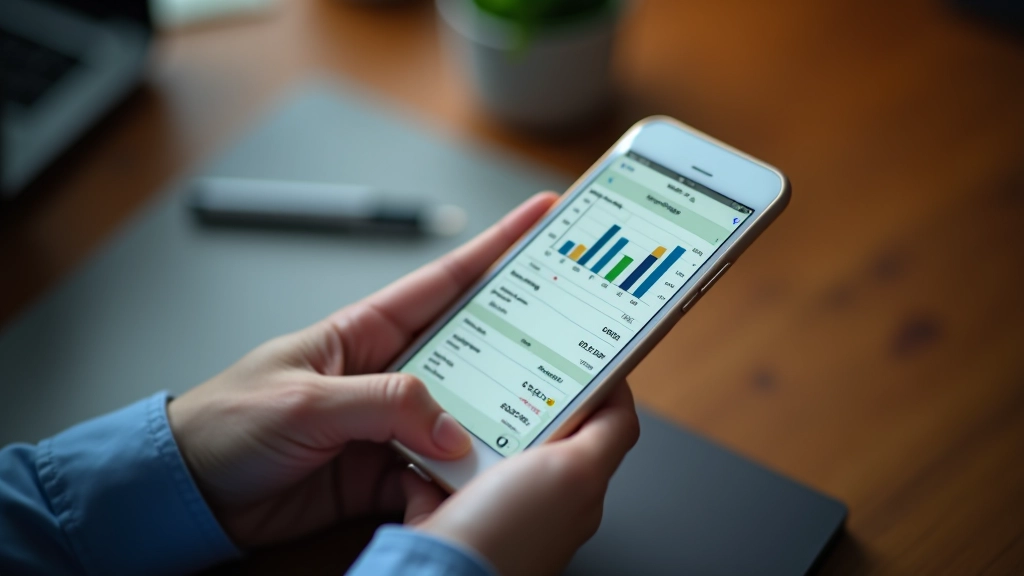
You don’t need a complicated system. Many people use their bank’s budgeting tools or apps like YNAB or Money Lover. But honestly? A simple spreadsheet updated monthly works fine. The goal isn’t perfect precision—it’s awareness.
At month-end, check three numbers: What did I spend on needs? Wants? How much did I save? If you hit 50-30-20 exactly, that’s great. If you hit 52-28-20, you’re still winning. If you hit 58-25-17, you’ve got something to adjust next month. The framework shows you what’s actually happening with your money.
After three months, patterns emerge. You’ll see your real needs number, where wants spike, whether 20% savings is realistic or too ambitious. That’s when you can adjust—maybe it’s 50-28-22 for you, and that’s sustainable. Better a slightly modified rule you’ll follow than a perfect rule you’ll abandon.
The 50-30-20 rule isn’t revolutionary. It’s not going to make you rich overnight. What it does is give you permission to spend on wants while building savings. You’re not depriving yourself—you’re structuring yourself. That’s why people actually stick with it.
In Hong Kong where everything costs money and everyone’s racing toward some financial milestone, this framework removes the guilt. You’ve allocated 30% for fun. That dinner with friends? You’ve already budgeted for it. That new gadget? It’s in your 30%. You’re not “failing at saving”—you’re living within a structure that works.
Start this month. Calculate your actual take-home pay. Set up those three accounts. Automate the transfers. Track for three months without judging yourself. Then adjust based on reality. That’s the whole system. Simple, flexible, and designed for people who actually have a life they want to enjoy while building toward a secure future.